A good mock exam should feel like a rehearsal for the real thing, not a random set of questions. For certification seekers, that realism is what turns practice into measurable progress. The closer the mock exam matches the official test, the easier it is for learners to build pacing, stamina, and confidence before exam day.
Begin by matching the core exam details exactly. The question count should be the same as the official test. The time limit should also be identical, since pacing is one of the hardest skills to master under pressure. If the exam has a passing score or scaled scoring model, mention it clearly so learners know what success looks like. Those details help set expectations and remove uncertainty.
Topic mix matters too. A strong mock exam reflects the same subject balance as the real certification, so readers get a realistic sense of how the exam distributes its focus. That balance is especially valuable for candidates who tend to overstudy one topic while neglecting another. By practicing with the official-style mix, they can adjust their study plan before it is too late.
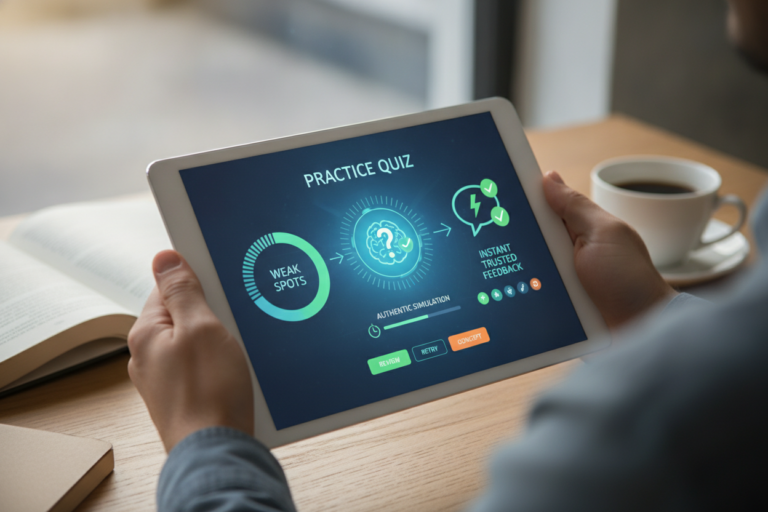
Because the site is built for quick, one-page study, the mock exam should be easy to locate and clearly separated from the quiz and the One-Sheet. That structure helps readers choose the right study mode for their time and goal. Some will want a quick diagnostic, while others will want a full rehearsal. A well-designed mock exam supports both.